


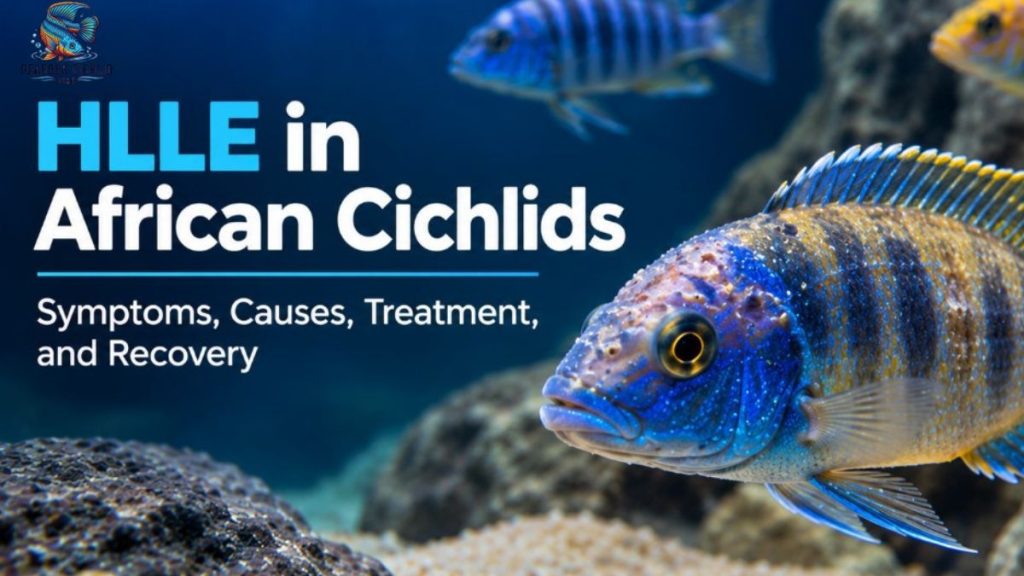
Small pits on a cichlid’s head can signal a problem that needs attention. HLLE in African cichlids can damage skin, affect sensory pores, and leave lasting scars.
Head and lateral line erosion (HLLE) often develops gradually. Early changes may look harmless, but worsening lesions deserve prompt investigation.
African cichlids need suitable nutrition, stable water conditions, and a healthy aquarium environment. Poor care can increase stress and complicate recovery.
This guide explains HLLE symptoms, possible causes, treatment options, and prevention. Learn how to recognise warning signs and protect African cichlids before lesions become severe.
What Is HLLE in African Cichlids?
HLLE causes pits and tissue erosion around a fish’s head and lateral line. Fishkeepers also call it head and lateral line erosion or hole-in-the-head disease.
The lateral line helps fish detect movement and pressure changes in surrounding water. Tiny sensory structures called neuromasts help fish respond to these changes.
HLLE can damage the skin around these sensory structures. Early lesions may resemble small pale spots, while advanced cases can develop deep pits and open sores.
Although aquarists commonly associate HLLE with discus and oscars, African cichlids can develop similar lesions. Researchers have documented hole-in-the-head lesions in Nile tilapia, an African cichlid. However, researchers have not established equal susceptibility across all African cichlid species. Read the research.
What Are the Early Signs of HLLE in African Cichlids?
Early HLLE symptoms often include tiny pits, pale marks, or shallow depressions around the head. Recognising these changes early helps fishkeepers investigate the problem before lesions worsen.
Watch for these common signs:
- Small head pits: Tiny indentations may appear across the forehead or near the eyes.
- Pale sensory pores: Normal pores may become more noticeable as surrounding tissue changes.
- Erosion on the cichlid face: Skin around the eyes and nostrils may develop uneven patches.
- Lateral line damage: Small pits may appear along the sensory line on the body.
- Deepening lesions: Shallow depressions can progress into larger craters or open sores.
- Behavioural changes: Affected fish may hide, lose appetite, or become less active.
Some fish continue eating normally during early HLLE. Therefore, a healthy appetite does not rule out developing lesions.
Also watch for weight loss, abnormal feces, and persistent appetite changes. These signs may indicate another health problem alongside HLLE.
Compare suspicious marks with photographs of healthy fish from the same species. Normal sensory pores usually appear regular, while progressive erosion creates abnormal depressions and damaged tissue.
What Causes HLLE in Cichlids?
No single cause explains every case of HLLE. Poor water quality, nutritional problems, chronic stress, and certain infections may contribute to tissue damage.
1. Poor Water Quality and Lateral Line Erosion
Poor water quality can stress fish and increase their risk of health problems. Excess waste, elevated nitrate, and inadequate filtration can undermine overall fish health.
African cichlids produce waste that biological filtration must process. When filtration cannot handle the waste load, harmful conditions can develop.
Test ammonia, nitrite, nitrate, pH, and temperature regularly. Keep ammonia and nitrite at zero, and control nitrate through appropriate maintenance.
Many fishkeepers aim to keep nitrate below 20 parts per million. However, suitable targets depend on the species and aquarium conditions.
2. Can Diet Cause HLLE?
Yes, an unbalanced diet may contribute to HLLE by limiting essential nutrients. However, researchers have not identified a single dietary deficiency as the universal cause.
Fish need appropriate protein, fats, vitamins, and minerals for healthy tissue. Feeding one unsuitable food exclusively can create nutritional gaps over time.
Choose complete foods that match each cichlid species’ dietary needs. Offer suitable spirulina-based foods or other plant ingredients when the species requires them.
Tropheus cichlids need a plant-rich diet, while Frontosa require a different nutritional approach. Many Malawi cichlids also have distinct feeding needs, depending on their species.
Avoid treating every African cichlid as an identical feeder. Review the natural diet and nutritional requirements of each species before changing the feeding routine.
Research has investigated dietary mineral imbalances as a possible factor in hole-in-the-head disease. However, available findings do not establish one nutritional deficiency as the cause of every case. Explore the research.
3. Parasites and Internal Infections
Flagellated protozoans, including Spironucleus and organisms historically associated with Hexamita, may contribute to some cases. However, their presence does not explain every instance of head pitting.
Watch for appetite loss, weight loss, abnormal feces, and persistent weakness. These signs may justify further investigation for intestinal disease.
Do not assume every case needs antiparasitic medication. A correct diagnosis helps prevent unnecessary treatment and additional stress.
4. Chronic Stress and Aggression
Overcrowding, bullying, and unsuitable tank conditions can place cichlids under constant stress. Aggressive tankmates may also cause injuries that resemble HLLE.
African cichlids often defend territories, particularly during breeding. Provide suitable space, hiding areas, and carefully selected tankmates to reduce conflict.
Check for damaged fins, missing scales, and repeated chasing. These clues may indicate aggression rather than HLLE alone.
5. Filtration Problems and Other Environmental Factors
Inadequate filtration allows waste and organic material to accumulate. Some fishkeepers also suspect certain activated carbon products or stray electrical voltage in HLLE cases.
However, evidence for these additional factors varies. Research on activated carbon has mainly examined marine fish, so the findings do not prove the same effect in African cichlids.
Review recent equipment changes and check for faulty electrical components. Prioritize stable water conditions, effective filtration, and regular maintenance.
HLLE vs. Hole in the Head Disease: Is It HLLE or HITH?
HLLE and hole-in-the-head disease (HITH) describe closely related patterns of tissue damage. Aquarists often use these names interchangeably, although some distinguish head lesions from erosion along the lateral line.
| Feature | HILLE | Hole-in-the-head |
| Main location | Head and lateral line | Mainly the head |
| Appearance | Pits and skin erosion | Pits and deeper craters |
| Possible causes | Environmental, nutritional, or infectious factors | Similar overlapping factors |
| Treatment | Address underlying problems | Address underlying problems |
Appearance alone cannot confirm the cause. Injuries, infections, and other skin conditions can produce similar marks.
Seek expert advice when lesions deepen, spread quickly, or accompany severe behavioral changes.
How to Treat HLLE in Fish
HLLE treatment starts with identifying and correcting factors that affect fish health. Better water quality, suitable nutrition, reduced stress, and targeted treatment can help prevent further damage.
Step 1: Test and Improve Water Quality
Test the aquarium before making major changes. Check ammonia, nitrite, nitrate, pH, and temperature.
Perform appropriate partial water changes using dechlorinated water. Match the replacement water’s temperature and chemistry closely.
Remove uneaten food and vacuum accumulated waste. Clean filter components carefully to protect beneficial bacteria.
Improve filtration if the current system cannot handle the aquarium’s waste load. Maintain good oxygen levels and suitable water circulation.
Step 2: Correct Nutritional Problems
Review the feeding routine and confirm that it suits the species. Replace nutritionally incomplete staple foods with a high-quality, complete cichlid diet.
Offer appropriate plant-based foods to herbivorous species. Provide suitable animal-based ingredients when the species requires them.
Choose reputable foods with clear nutritional information. Avoid adding large amounts of vitamins or minerals without identifying a genuine need.
Step 3: Investigate Possible Parasites
Consult an aquatic veterinarian when head pitting occurs alongside persistent appetite loss, weight loss, or abnormal feces. A professional can help determine whether parasites or another disease require treatment.
Metronidazole may help treat certain susceptible protozoan infections. However, it does not directly address every cause of HLLE.
Follow professional guidance and the medication label. Never combine medications indiscriminately or medicate an entire aquarium without considering fish health and biological filtration.
Step 4: Reduce Stress and Protect Damaged Tissue
Separate severely bullied fish when necessary, using a suitable, established aquarium. Maintain stable conditions and prevent other fish from injuring affected areas.
Avoid unnecessary handling. Open lesions can increase the risk of secondary infections, so worsening wounds need prompt assessment.
Never scrape, squeeze, or attempt to clean pits manually. Focus on suitable aquarium conditions while damaged tissue heals.
How Can You Prevent HLLE in African Cichlids?
Consistent aquarium care helps reduce preventable stress and health problems. Focus on water quality, nutrition, filtration, and suitable tank conditions.
Follow these prevention practices:
- Test water regularly and record important changes.
- Perform routine partial water changes according to aquarium needs.
- Maintain biological filtration and clean mechanical media appropriately.
- Feed a balanced diet suited to each cichlid species.
- Avoid overcrowding and reduce persistent aggression.
- Inspect fish frequently for new pits, skin changes, or appetite loss.
- Quarantine new arrivals and observe them before introducing them to established fish.
Avoid relying on a single remedy or supplement. A consistent maintenance routine helps identify problems before they become severe.
For species-specific feeding and care guidance, explore the educational resources at Peacock Cichlid Zone. Understanding African cichlid needs helps fishkeepers maintain healthier aquariums and recognize potential problems sooner.
Is HLLE Permanent? Does HLLE Go Away?
Early HLLE may improve when fishkeepers correct the underlying problems. However, severe tissue damage can leave permanent scars or disfigurement.
Recovery depends on lesion severity, overall fish health, and how quickly conditions improve. Shallow lesions generally offer better prospects than deep craters or extensive tissue loss.
Some fish regain healthy-looking skin, while others retain visible marks. Continue monitoring water quality, appetite, and lesion size throughout recovery.
How Long Does HLLE Recovery Take?
HLLE fish recovery time varies with tissue damage and the success of treatment. Mild cases may improve within weeks, while advanced cases can require months.
Do not expect damaged tissue to heal overnight. Look for fewer new pits, healthier skin, and normal feeding behavior.
Seek professional advice if lesions continue spreading despite better care. Persistent erosion may indicate unresolved environmental problems, infection, or another condition.
Final Thoughts
HLLE in African cichlids deserves attention as soon as you notice unusual pits or erosion. Early action can help protect healthy tissue and prevent further deterioration.
Focus on water quality, suitable nutrition, effective filtration, and stress reduction. Investigate possible infections when additional symptoms appear rather than treating every case the same way.
With consistent care and careful observation, fishkeepers can improve recovery prospects and protect the long-term health of African cichlids.
Also Read: 18 Peacock Cichlid Disease: Symptoms, Causes, and Treatment Guide
FAQs
Can African cichlids get HLLE?
Yes. African cichlids can develop head and lateral line erosion, although susceptibility varies by species. Researchers have also documented hole-in-the-head lesions in Nile tilapia.
What causes pits on a cichlid’s head?
Pits may indicate HLLE, hole-in-the-head disease, infection, or previous injury. Poor water quality, nutritional problems, and stress may contribute to some cases.
Is HLLE contagious?
HLLE describes a pattern of tissue damage rather than one confirmed infectious disease. However, an underlying infection may affect other fish, depending on the organism involved.
Should I use medication for HLLE?
Use medication when evidence supports a treatable infection or another specific diagnosis. First, correct water quality, nutrition, and stress problems.
Can HLLE kill African cichlids?
Severe cases can threaten fish health, especially when extensive lesions or secondary infections develop. Early intervention improves the chances of recovery.
How can I prevent HLLE from returning?
Maintain clean water, suitable filtration, balanced nutrition, and low-stress tank conditions. Monitor recovering fish regularly and investigate new lesions promptly.
References:
Morrison, C. M., O’Neil, D., & Wright, J. R. (2007). Histopathology of “hole-in-the-head” disease in the Nile tilapia, Oreochromis niloticus. Aquaculture, 273(4), 427–433.
https://doi.org/10.1016/j.aquaculture.2007.10.039
Hemdal, J., & Odum, R. A. (2011). The role of activated lignite carbon in the development of head and lateral line erosion in the ocean surgeon. North American Journal of Aquaculture, 73(4), 489–492.
https://doi.org/10.1080/15222055.2011.629022
Stamper, M. A., Kittell, M. M., Patel, E. E., & Corwin, A. L. (2011). Effects of full-stream carbon filtration on the development of head and lateral line erosion syndrome (HLLES) in ocean surgeon. Journal of Aquatic Animal Health, 23(3), 111–116.
https://doi.org/10.1080/08997659.2011.608608
Head and Lateral Line Erosion (peer-reviewed veterinary education resource) https://en.wikivet.net/Head_and_Lateral_Line_Erosion
Fish Disease: Diagnosis and Treatment (2nd ed.). Wiley-Blackwell
https://doi.org/10.1002/9781118786758